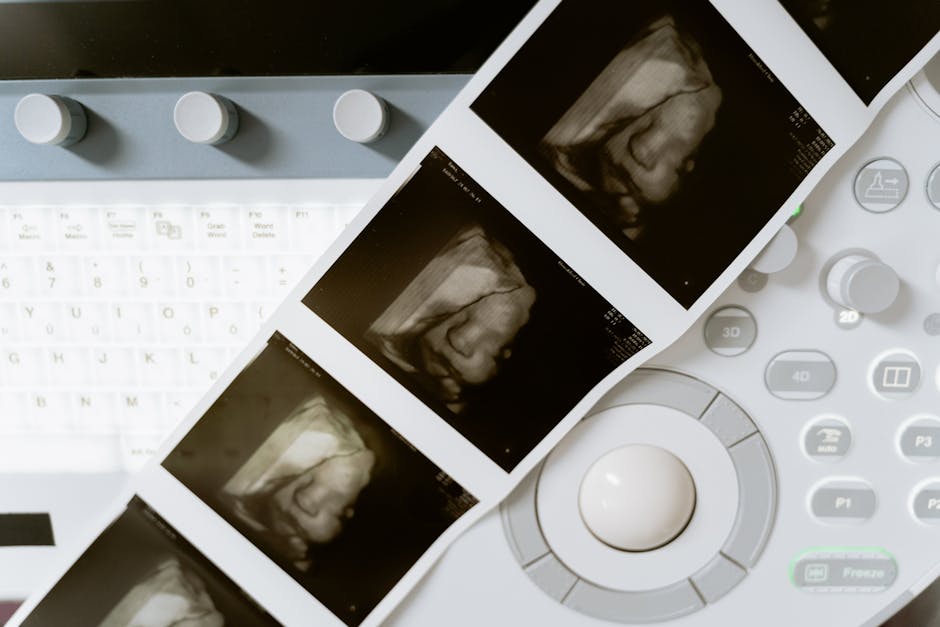
Recent research published in the British Journal of Obstetrics & Gynecology has shed light on the importance of fetal heart imaging in predicting potential risks during childbirth. Led by Professor Tullio Ghi from the Catholic University of Sacred Heart in Rome, the study highlights the significance of early detection in ensuring the health and safety of both mother and baby.
According to Professor Ghi, being able to identify infants at a higher risk of hypoxic stress during labor can play a crucial role in determining the need for interventions such as a caesarean section or instrumental vaginal birth. By closely monitoring changes in the shape of the baby's heart through ultrasound scanning, researchers were able to pinpoint specific parameters that indicate the baby's ability to withstand the stresses of labor.
By analyzing the fetal heart morphology at the onset of labor, the study was able to differentiate between infants who could safely undergo a vaginal delivery and those who might be more susceptible to intrapartum hypoxia. This early triage system could potentially help healthcare providers make more informed decisions about the best course of action to prevent complications during childbirth.
The research involved 208 pregnant women, with a subset of 20 women requiring operative delivery due to suspected fetal distress. By comparing the fetal heart characteristics of these two groups, the study was able to establish a correlation between abnormal cardiac function and the need for expedited delivery to mitigate the risk of hypoxic injury.
This groundbreaking study underscores the importance of incorporating fetal heart imaging into routine prenatal care to proactively identify potential risks and improve outcomes for both mother and baby. By utilizing ultrasound technology to assess cardiac function early in labor, healthcare providers can intervene promptly if necessary, reducing the likelihood of complications during childbirth.
Experts like Professor Ghi emphasize the significance of preventive measures in obstetrics to safeguard the health and well-being of expectant mothers and their babies. By staying at the forefront of medical advancements and leveraging cutting-edge technologies such as fetal heart imaging, healthcare professionals can enhance the quality of care provided to pregnant women and ensure optimal outcomes for all parties involved.
As research continues to evolve in the fields of cardiology, gynecology, and obstetrics, studies like this one serve as a testament to the power of early detection and intervention in improving maternal and neonatal health. By prioritizing preventive strategies and leveraging innovative diagnostic tools, we can strive towards a future where childbirth is safer and more manageable for all.