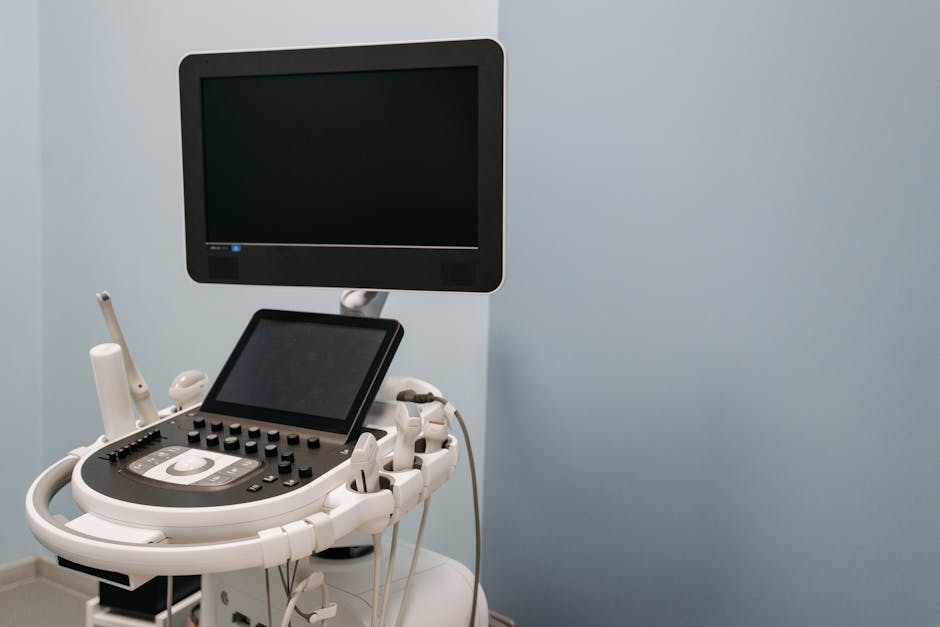
Ultrasound technology has come a long way since its inception, with Doppler ultrasound leading the charge in the global market. A recent report by Research and Markets highlights the growth and strategic insights shaping the industry from 2026 to 2032. With a projected market value of US$1.9 billion by 2032, the Doppler Ultrasound market is set to expand at a steady CAGR of 3.0% over the next decade.
The surge in demand for Doppler ultrasound can be attributed to a multitude of factors driving innovation and adoption in healthcare settings worldwide. One of the key drivers is the increasing prevalence of cardiovascular and vascular disorders, necessitating accurate and non-invasive diagnostic tools for blood flow assessment. Doppler ultrasound's radiation-free imaging capabilities have made it a preferred choice over traditional CT and X-ray methods, particularly in sensitive patient populations like children, pregnant women, and those requiring repeated scans.
Furthermore, the shift towards point-of-care diagnostics and remote health monitoring has fueled the market for portable and handheld Doppler devices, catering to the needs of primary care facilities, military installations, and rural healthcare centers. The integration of advanced technologies such as artificial intelligence, miniaturized probes, and wireless connectivity has enhanced the usability and versatility of Doppler ultrasound across various medical specialties.
Emerging economies are also witnessing a surge in healthcare infrastructure development, leading to increased access to ultrasound equipment in community health centers and clinics. Government initiatives and public health campaigns are further driving awareness about the diverse applications of Doppler ultrasound, from vascular studies to reproductive health assessments.
Moreover, the evolving landscape of healthcare reimbursement policies, telehealth integration, and electronic medical record interoperability are facilitating the seamless integration of Doppler ultrasound systems in outpatient and home-care settings. These advancements are positioning Doppler ultrasound as a vital diagnostic tool in modern healthcare, offering precision, portability, and versatility in a wide range of clinical scenarios.
The scope of the report delves into the Doppler Ultrasound market, analyzing key segments such as device types (trolley-based and handheld devices) and applications (radiology, cardiology, obstetrics, and gynecology). The geographic regions covered in the analysis provide insights into regional growth trends and market dynamics shaping the future of Doppler ultrasound technology.
As we navigate the dynamic landscape of healthcare technology, the integration of AI in image interpretation is poised to revolutionize Doppler ultrasound platforms, enhancing diagnostic accuracy and efficiency. With a focus on innovation and accessibility, Doppler ultrasound is set to play a pivotal role in shaping the future of non-invasive imaging and diagnostic solutions in the years to come.